17 Vintage Household Items Worth Checking Before You Sell

Before you clear out an old cabinet, desk drawer or storage box, take a closer look at anything with a maker’s mark, unusual pattern, signature or original packaging. Some vintage household pieces have specialist collectors, though age alone does not make an item valuable.
This guide focuses on specific vintage and antique finds inside the home, plus the clues that can help you identify them before you decide what to do with them.
17 Vintage Household Finds Worth Checking
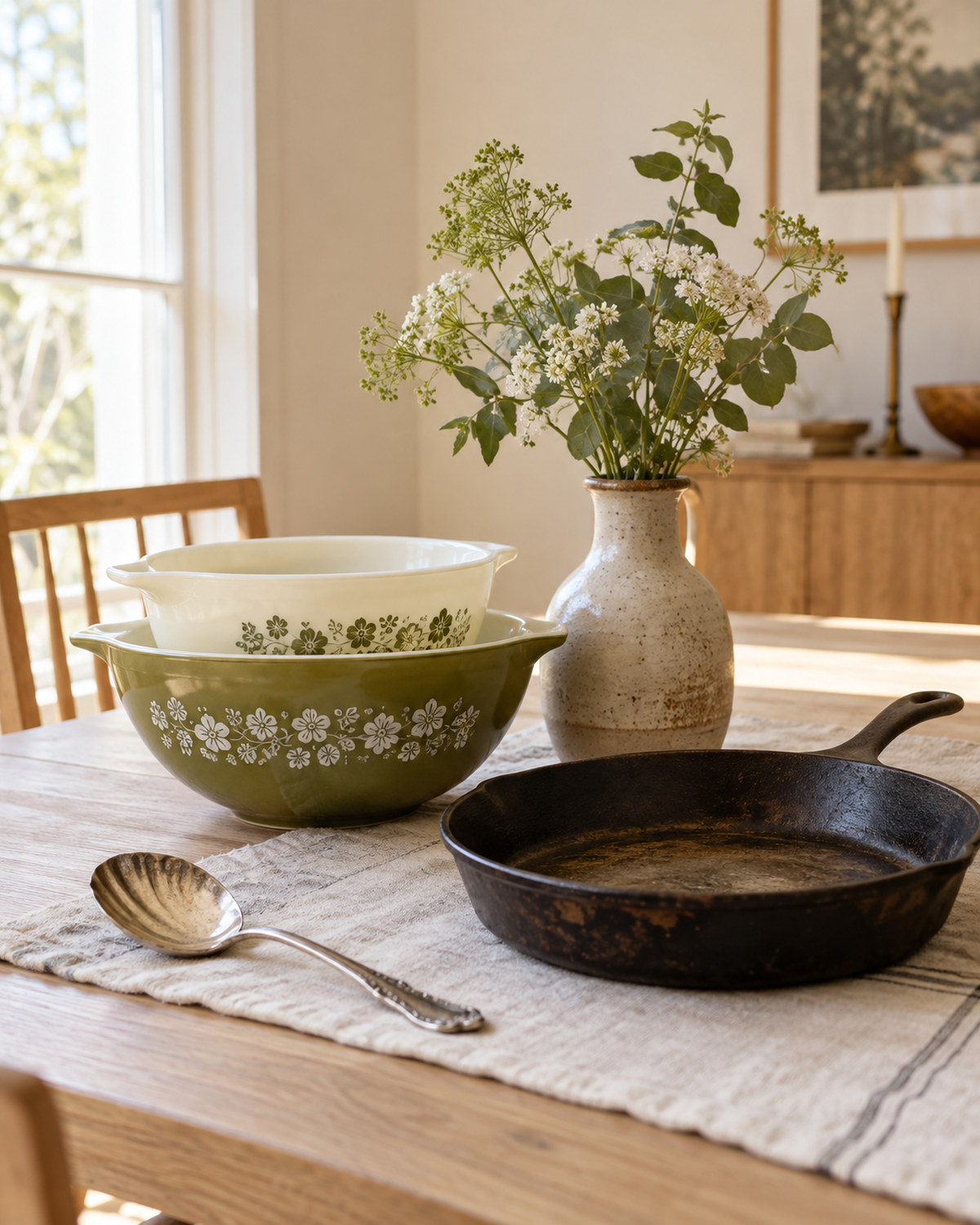
1. Patterned Pyrex and Fire-King glassware
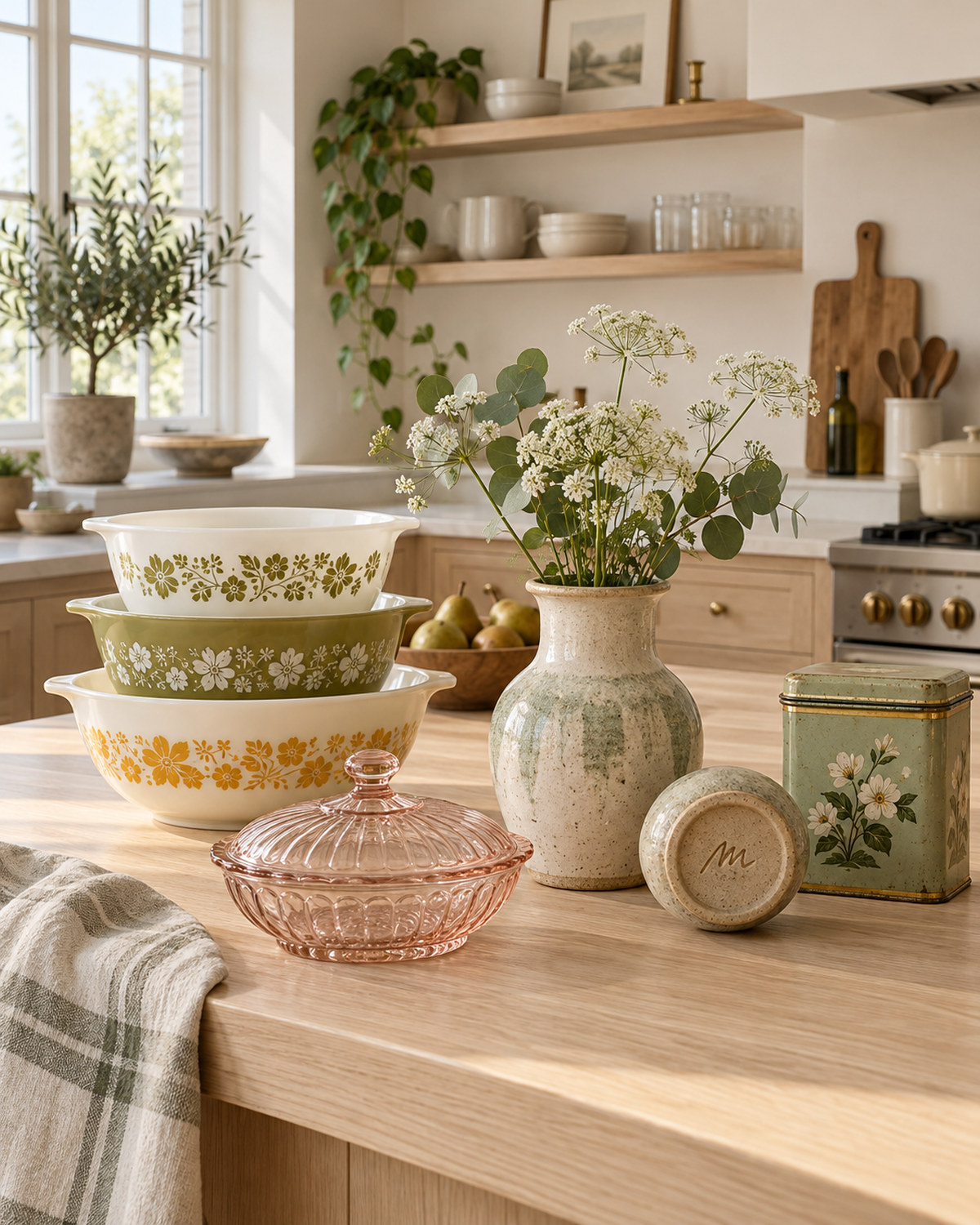
Printed mixing bowls, casserole dishes and other colorful glassware can be collectible when the pattern, piece and condition are right. Check the base for a brand or pattern clue, and compare the exact shape and design with recently sold examples. Chips, cracks and worn decoration matter.
2. Depression-era and pressed glass
This post may contain affiliate links.Privacy Policy. Follow us on PINTEREST
Colored glass bowls, serving dishes and small decorative pieces were made in many patterns. Look for a pattern match, repeated design details and any maker’s mark. Similar-looking pieces can vary in demand, so use a pattern guide to identify the design before estimating what it might sell for.
3. Signed studio pottery
Handmade pottery may have a signature, initials or symbol on the bottom. Photograph the mark and the full shape of the piece, then compare it with artist or pottery references. A signature is a useful clue, but it needs to match the object and be legible enough to verify.
4. Older cast-iron cookware
Look for a maker’s name, size number, pattern or other marks on the bottom and handle. A well-known name alone does not tell you what a particular pan is worth; model, condition and recent sales all matter. Avoid stripping or repainting it before you have researched it.
5. Vintage kitchen tins and original packaging
Branded tins, canisters and boxes can appeal to collectors of advertising and packaging. Check the label, manufacturer, graphics and whether the lid or other parts are present. Keep the original packaging with the item, and avoid using cleaners that could remove printed details.
6. Silver and silverplate serving pieces
Trays, flatware, tea sets and small serving pieces may be marked with a maker’s name or a stamp indicating the material. Learn to distinguish sterling marks from silverplate marks before you price anything. Photograph all marks clearly and compare the same pattern and material in completed sales.
7. Vintage sewing machines and attachments
A sewing machine may be easier to identify when its badge, serial number, case and accessories are kept together. Photograph the model plate and any attachments or manuals. Do not assume that a working machine is automatically valuable; compare the exact model and completeness with current sold examples.
8. Sewing patterns, booklets and needlework guides
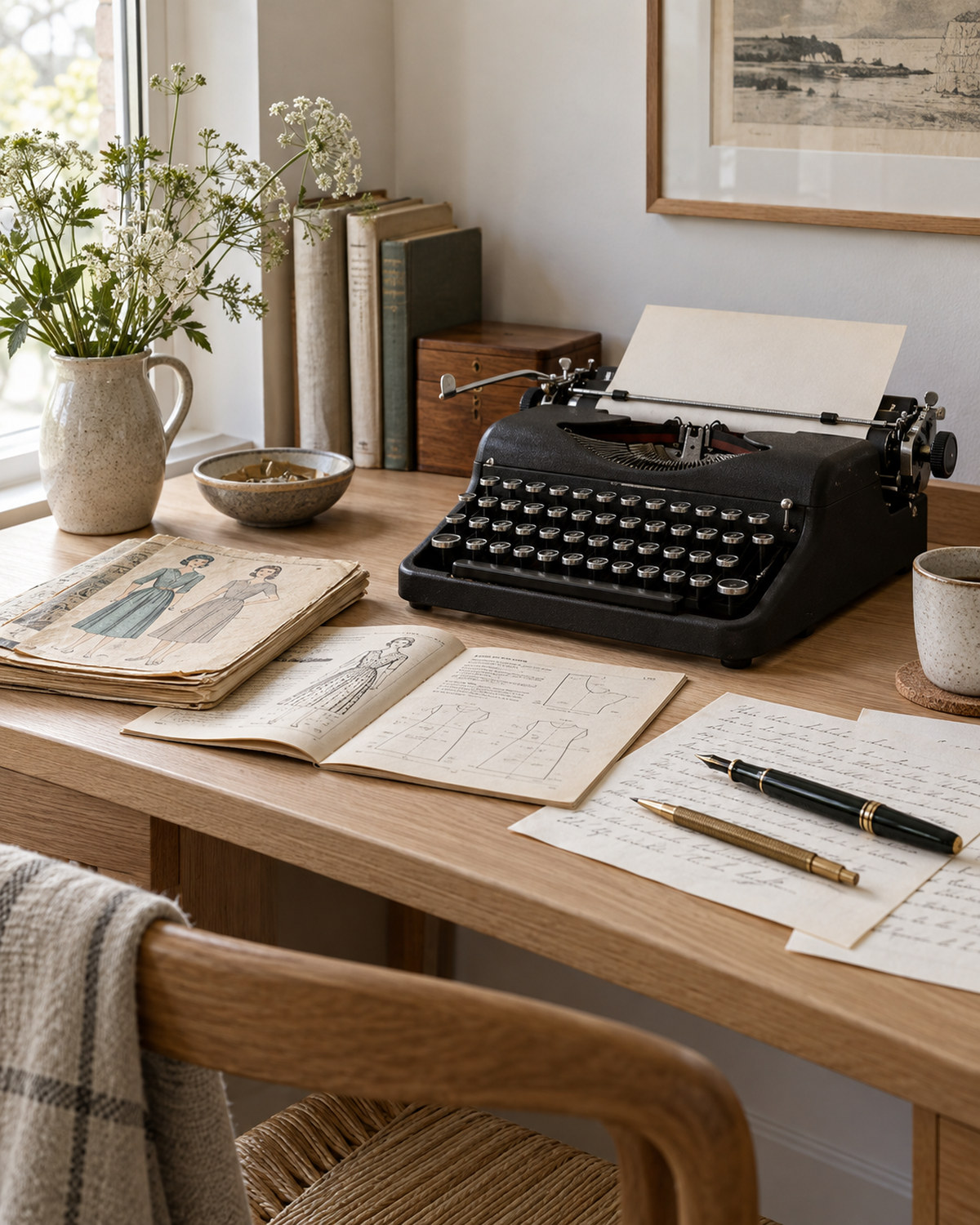
Older paper patterns and craft booklets can be interesting when the design, maker and edition are identifiable. Check whether the pattern is complete and whether the envelope or instruction sheet is included. A date on its own is not enough to establish collector demand.
9. Mechanical typewriters
Look for the brand, model name and serial number, often found on the body or frame. Keep the case, key and any manual with it. If you cannot test the typewriter, describe it as untested and research the exact model before deciding whether to list it.
10. Fountain pens and mechanical pencils
Inspect the barrel, clip and nib for a maker’s name or model marking. Original boxes and matching parts can help identify a set. Photograph the item without taking it apart, and compare the same model and condition instead of relying on a listing for a different pen from the same brand.
11. First editions and illustrated books
For a potentially collectible book, check the title page, copyright page, dust jacket and any edition statement. An author’s signature or an early printing can be relevant, but the exact edition and condition need to match the examples you research. Keep a dust jacket with its book.
12. Vintage maps and atlases
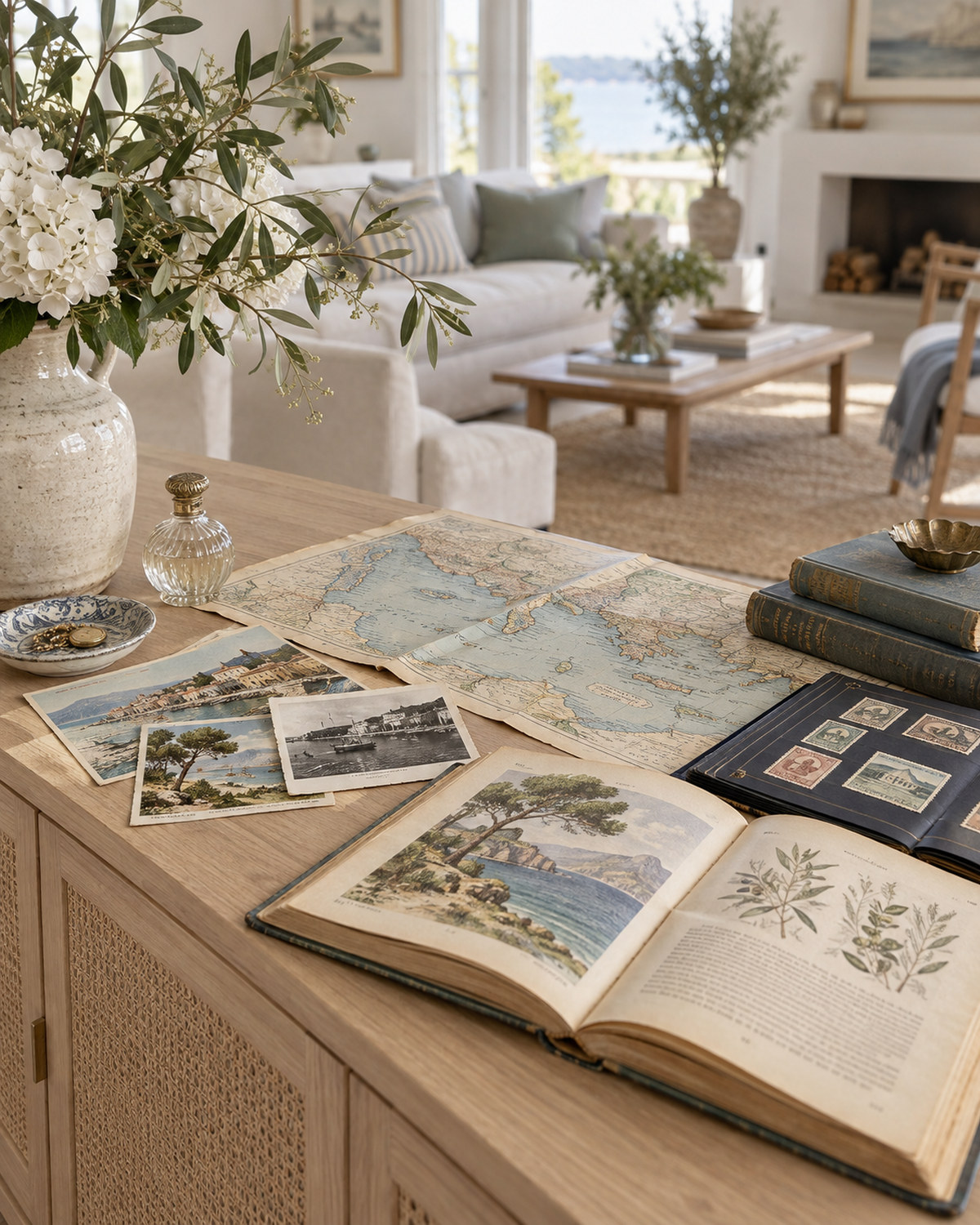
Maps may be collectible for their age, subject, publisher, printing or connection to a particular place. Look for a title, date, cartographer or publisher in the margins or on the reverse. Note tears, folds, missing pages and whether the map is a later reproduction.
13. Old postcards and photographs
Postcards and photographs can interest collectors when they show a specific location, event, subject or photographer. Check the caption, postmark, photographer’s stamp and any writing on the back. Keep items in their original groups when the people, places or dates appear connected.
14. Stamp collections and albums
Albums can contain common stamps, specialist material or a mixture. Check the country, year, printing details and whether a stamp is mint or used, but leave stamps in place until you know how they should be handled. For a substantial-looking collection, seek an independent specialist opinion before accepting a quick offer.
15. Coins and paper currency
Look for the country, year, mint mark and denomination, then compare the exact coin or note with a reputable reference. Condition and authenticity can make a large difference. Do not clean coins or remove them from holders before researching them, since handling can affect their condition.
16. Vintage sheet music and programs
Sheet music, theater programs and concert booklets may attract interest when they relate to a notable performer, production or period. Check the title, publisher, date, venue and signatures. Keep related pages together and photograph the cover and publication details.
17. Perfume bottles and vanity pieces
Older perfume bottles, powder jars and vanity sets can be easier to research when the maker or brand is visible. Look for a label, logo, molded mark or original box. Note whether the bottle is empty and whether the stopper or matching pieces are present.
How to Research a Vintage Item Before Selling It
- Record identifying details. Take clear photos of the whole item, its maker’s mark, model or pattern number, and any labels or packaging.
- Search for the exact match. Include the brand, pattern, model, edition or date in your search. If you are unsure what the mark says, zoom in on a photo or ask a specialist group to help identify it.
- Check completed sales. Compare recent sold listings for the same item in similar condition. Asking prices show what sellers hope to get, not what buyers paid.
- Keep sets and packaging together. Boxes, manuals, cases, accessories and matching pieces can help a buyer understand what is included.
- Do not clean, polish or repair it first. You could remove a mark or change an original finish. Research the item before making changes.
There is no dependable rule that an item is valuable just because it is old. The most useful next step is to identify it accurately and compare like with like. If the marks or completed sales suggest it may be significant, get an independent opinion before accepting an offer.
Also read: How to make money selling stuff you no longer want for practical advice on choosing a selling platform, pricing and listing items.
For a broader starting list, see 55 things you can sell to make extra money.
Also read: The best websites to sell stuff and how to choose one for your item.

Hello, I’m Luci, founder of Mums Make Lists. The site is full of useful and fun ideas for life and seasonal celebrations. Plus a growing selection of instantly downloadable fun printables and party planners. Read more.